Driving under the influence DUI is not just a legal infraction; it is often a symptom of deeper issues related to substance abuse, mental health, or coping mechanisms. Individuals convicted of DUI frequently find themselves in a cycle of repeated offenses if the underlying causes are not addressed. Traditional punitive measures, such as fines, license suspensions, and even jail time, while necessary, often fail to break this cycle. To create lasting change, DUI counseling programs that focus on long-term recovery and rehabilitation have emerged as an effective solution. These programs combine therapeutic approaches, education, and accountability to help individuals not only stays sober but also rebuilds their lives. One of the foundational elements of an effective DUI counseling program is individualized treatment. Every individual who commits a DUI offense has a unique set of circumstances that led to their actions. Thus, programs that assess each person’s specific needs such as their history with alcohol or drugs, mental health conditions, and social environment can offer more tailored interventions.
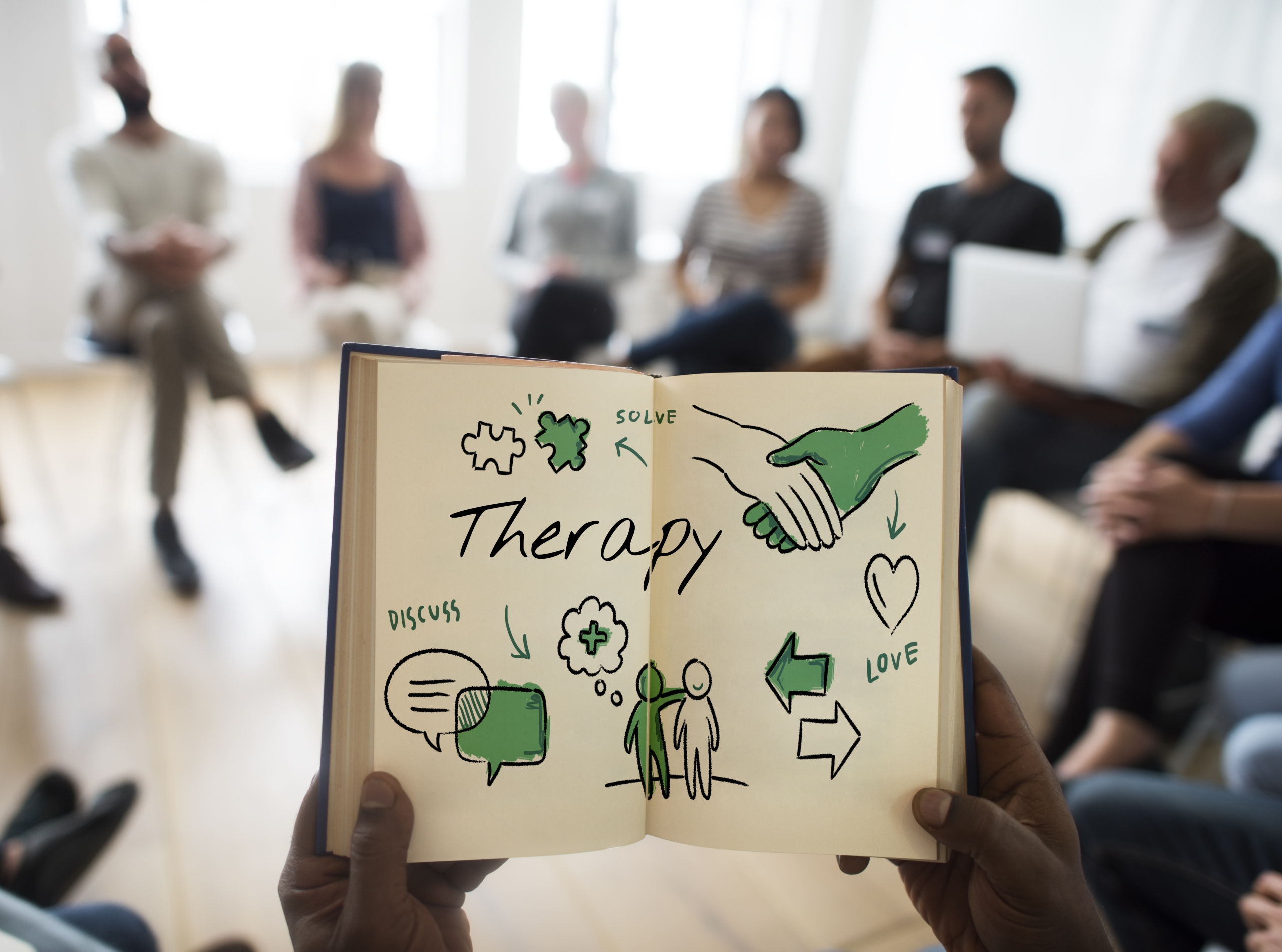
Personalized treatment plans may include cognitive-behavioral therapy CBT, motivational interviewing MI, or group therapy. The techniques help participants recognize harmful thought patterns, identify triggers, and develop healthier coping strategies, all essential components in preventing future DUI incidents. Another key component of DUI counseling is education. Many individuals convicted of DUI lack a clear understanding of the risks they pose to themselves and others. Educational sessions focus on the dangers of impaired driving, the physiological effects of alcohol and drugs, and the legal consequences of repeat offenses. This knowledge helps offenders make more informed decisions in the future about alcohol abuse recovery and want more info Call Now. Programs often employ peer-led discussions where individuals who have successfully completed counseling share their experiences, offering real-world examples of the consequences of impaired driving. This helps foster a sense of accountability and urgency for participants to commit to their recovery process. Individuals are often required to attend regular meetings, submit to random drug or alcohol testing, and report progress to their counselors or probation officers.
Accountability is another critical factor in effective DUI counseling. Some programs utilize technology, such as ignition interlock devices, which prevent a car from starting if the driver’s breathe registers above a certain blood alcohol concentration. These tools serve as constant reminders of the individual’s commitment to sobriety, reinforcing responsible decision-making every time they get behind the wheel. In addition to therapy and education, DUI counseling programs often provide resources for long-term support. This may include referrals to ongoing mental health services, Alcoholics Anonymous AA meetings, or outpatient treatment facilities. Many programs also encourage participants to involve their families in the recovery process, as a strong support system is crucial for sustained sobriety. The inclusion of family or close friends can help strengthen accountability and create a network of encouragement that reduces the risk of relapse. The ultimate goal of DUI counseling is not just to help individuals avoid future legal trouble but to empower them to make significant, positive changes in their lives.