The shipping of forest products plays a crucial role in the global economy, yet it faces numerous barriers that can hinder efficiency and sustainability. As demand for timber, paper, and other forest products increases, the industry is being compelled to adapt and innovate. New technologies are emerging as key solutions to overcoming these barriers, enhancing both operational efficiency and environmental responsibility. One significant challenge in shipping forest products is logistics. The transportation process often involves multiple stages, from harvesting to processing and finally to distribution. Traditional methods can be slow, costly, and prone to disruptions, particularly in remote areas. However, advancements in logistics management software and tracking systems are revolutionizing this aspect of the industry. Real-time data analytics allow companies to optimize routes, reduce transportation costs, and improve delivery times. Drones and autonomous vehicles are also being tested for the delivery of smaller forest product shipments, especially in hard-to-reach locations, reducing reliance on conventional transport methods.
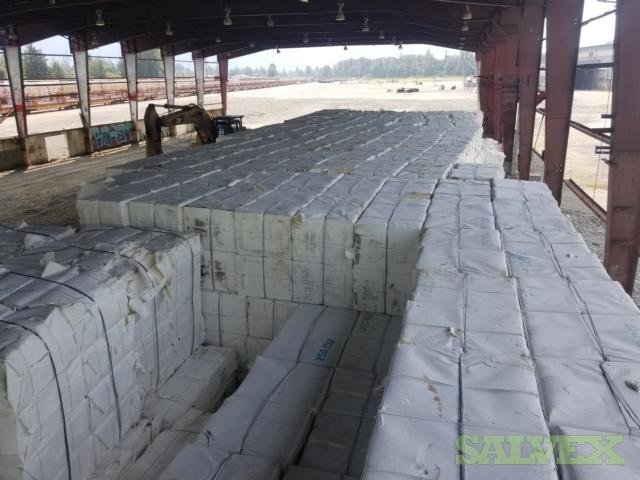
Another barrier is sustainability. The forest products industry is under increasing scrutiny regarding its environmental impact, particularly in relation to deforestation and carbon emissions. Technologies such as block chain can enhance transparency and traceability in the supply chain, allowing consumers and businesses to verify the origins of forest products. This accountability encourages responsible sourcing and helps ensure that products are harvested sustainably. Additionally, innovations in processing technologies, wood pulp shipping such as cross-laminated timber CLT and engineered wood products are enabling manufacturers to make better use of raw materials, thereby minimizing waste and enhancing the overall sustainability of the industry. Moreover, digital platforms are facilitating greater collaboration among stakeholders in the forest products supply chain. By connecting producers, processors, and distributors through integrated systems, these platforms enable smoother communication and coordination.
This connectivity is crucial for addressing challenges such as fluctuating market demands and inventory management. Cloud-based technologies also empower companies to share resources and information, leading to improved operational efficiency and reduced costs. Furthermore, advancements in renewable energy technologies are contributing to the shipping process. The use of electric vehicles for transporting forest products is becoming more prevalent, reducing reliance on fossil fuels and lowering emissions. Companies are exploring alternative energy sources, such as biofuels derived from forest waste, to power transportation fleets. By leveraging innovations in logistics, sustainability, collaboration, and renewable energy, the industry can not only enhance its operational efficiency but also contribute positively to environmental conservation. Embracing these technological advancements will be essential for the future viability of forest products shipping, ensuring that it meets the demands of a changing world while safeguarding the planet’s resources.