Relationships are built on trust, respect, and shared experiences. But even strong relationships can face periods of stress, misunderstandings, or emotional distance. When left unaddressed, these challenges can create lasting issues. Couples counseling offers a safe and guided space where partners can express their concerns, rebuild trust, and find practical solutions. With the right support, couples can reconnect emotionally, solve conflicts more effectively, and strengthen their bond over time.
Why Couples Counseling Helps
Couples counseling is not just for couples in crisis. It works for any stage of a relationship from new beginnings to long-term partnerships. A trained counselor listens without judgment and helps both partners understand each other’s feelings, needs, and communication styles.
Key Benefits:
- Improves communication and active listening
- Helps resolve conflicts in a respectful way
- Builds empathy and emotional understanding
- Strengthens emotional and physical connection
- Rebuilds trust after a setback
Common Issues Addressed in Counseling
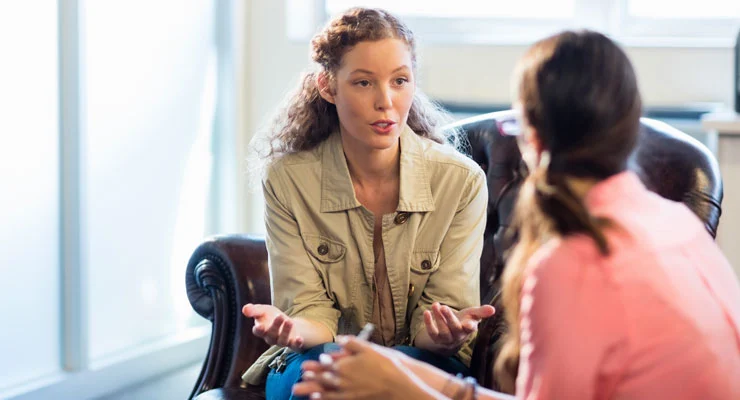
Couples often seek guidance for a variety of reasons. Some of the most common include:
- Poor communication or constant arguments
- Emotional disconnection or feeling unheard
- Infidelity, dishonesty, or broken trust
- Stress from parenting, finances, or work
- Different life goals or priorities
Through counseling and mental health near me structured conversations and goal-setting, couples counseling can provide the tools to handle these challenges and prevent them from recurring.
What to Expect During Sessions
Typical couples counseling session lasts between 45 to 60 minutes. Both partners are encouraged to speak openly while the counselor guides the conversation with empathy and neutrality. The goal is not to assign blame, but to uncover the root of the problem and create a path forward.
You can expect:
- A non-judgmental environment
- Equal space for both partners to talk
- Honest but respectful feedback
- Tools for better communication
- Homework or practices to continue progress at home
Taking the First Step Together
Starting therapy may feel intimidating at first, but many couples find relief even after the first session. Taking that first step shows a mutual willingness to invest in the relationship and find healing.
Here’s how to begin:
- Have an honest conversation with your partner about trying counseling
- Choose a licensed professional with experience in relationship guidance
- Set shared goals for what you both want to achieve
- Commit to attending sessions regularly and with an open mind
Conclusion
Couples counseling is a helpful path toward better understanding, healing, and connection. It helps partners grow both as individuals and as a couple. Challenges do not have to break a relationship especially when you face them together with the right support. Seeking guidance is not a sign of failure. It is a step toward lasting love, peace, and partnership.