Roofing Solutions That Enhance Durability and Boost Curb Appeal
When it comes to home improvement, the roof plays a critical role in both protecting the structure and enhancing its overall appearance. Roofing solutions that boost both durability and curb appeal are increasingly sought after by homeowners who want a balance of functionality and aesthetic appeal. A durable roof not only ensures the safety and protection of a home against weather elements but also contributes significantly to its value and attractiveness. One of the most effective ways to enhance both durability and curb appeal is by choosing high-quality materials that combine strength and visual appeal. Asphalt shingles have long been a popular choice due to their affordability and versatility, but today’s options go beyond the traditional look. Architectural or laminated shingles, for instance, offer a more dimensional appearance with layered textures that mimic the look of natural materials like wood or slate.
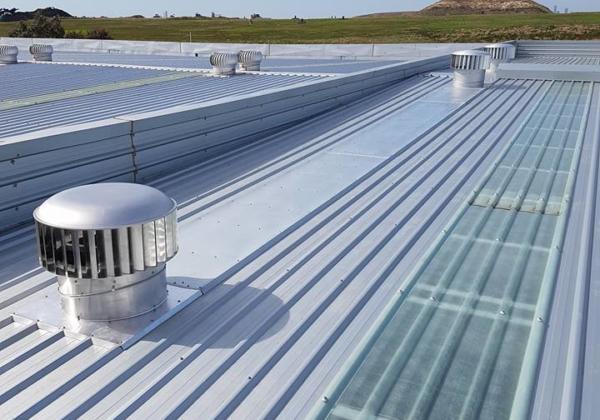
These shingles are not only aesthetically pleasing but also highly durable, with improved resistance to wind, rain, and UV damage. Another rolands roofing boerne material that has gained popularity in recent years is metal roofing. Available in a range of finishes, colors, and designs, metal roofs can mimic the appearance of shingles, tiles, or even standing-seam styles. Metal roofs are known for their incredible longevity, lasting up to 50 years or more with minimal maintenance. They are highly resistant to extreme weather conditions, including high winds, heavy snow, and hail, while offering excellent energy efficiency by reflecting heat away from the home. For those seeking an eco-friendlier solution, green roofing systems, or living roofs, offer a unique way to enhance both durability and curb appeal. These roofs are covered with vegetation, providing excellent insulation and reducing energy costs. The plants also absorb rainwater, reducing runoff and promoting better stormwater management.
Green roofs create a stunning visual effect, adding a natural, vibrant touch to the home while also improving air quality and providing a habitat for local wildlife. These tiles are incredibly resistant to fire, rot, and insect damage, and their natural, Mediterranean-style look can give a home a timeless, sophisticated appearance. Clay and concrete tiles are also highly energy-efficient due to their insulating properties, keeping homes cooler in the summer and warmer in the winter. Though initially more expensive, their longevity and minimal maintenance requirements make them a wise investment in the long run. When considering roofing solutions that enhance curb appeal, color and texture play a crucial role. Darker shades, such as charcoal or slate, can provide a sleek and modern look, while lighter hues like beige or off-white can create a more traditional, inviting atmosphere. Additionally, roofs with multi-tone color schemes can create depth and visual interest, making the home stand out from the rest in the neighborhood.
Ensuring Long-Term Success with Sustainable Fundraising Initiatives
Ensuring long-term success with sustainable fundraising initiatives requires a strategic, multifaceted approach that focuses on building strong relationships, diversifying revenue streams, and maintaining transparency and accountability. As nonprofit organizations seek to achieve their missions and continue their impactful work, they must create fundraising strategies that not only meet immediate financial needs but also lay the groundwork for sustained support over time. The foundation of a sustainable fundraising initiative is built on cultivating long-term relationships with donors, partners, and the community. Successful fundraising goes beyond one-time donations or annual campaigns; it involves creating lasting connections where supporters feel personally invested in the cause. This requires regular communication, such as personalized thank-you notes, updates on the impact of donations, and engagement in the organization’s mission through events or volunteer opportunities. By building strong relationships, nonprofits can nurture donor loyalty, which often translates into recurring support and increased lifetime giving. In addition to relationship-building, diversifying revenue streams is crucial for long-term sustainability.

Relying too heavily on one type of fundraising, such as events or grants, can be risky, especially during times of economic uncertainty or shifts in funding priorities and Get started now. By broadening the donor base and exploring different fundraising models such as major gifts, planned giving, crowdfunding, corporate partnerships, and earned income through social enterprises organizations can reduce the risk of funding shortfalls. Diversification also allows nonprofits to tap into new networks and reach a wider audience, ensuring a steady flow of revenue that supports their mission over time. Another important element of sustainable fundraising is investing in capacity building and infrastructure. This includes training staff and volunteers in fundraising best practices, adopting technology to streamline donor management and communications, and ensuring the organization has the resources to execute campaigns effectively. When an organization is well-equipped to manage and grow its fundraising efforts, it can maintain consistent fundraising performance and respond to emerging opportunities or challenges. Transparency and accountability play a pivotal role in sustaining donor trust and long-term support.
Donors want to know that their contributions are being used efficiently and effectively to advance the organization’s mission. By providing clear financial reports, showcasing the impact of donations, and being open about challenges or setbacks, nonprofits can foster trust and demonstrate their commitment to responsible stewardship. A transparent organization is more likely to retain donors and attract new ones, as people are more inclined to give to causes that are honest, accountable, and committed to making a difference. Finally, engaging in strategic planning and regularly evaluating the effectiveness of fundraising initiatives is essential to ensure long-term success. By setting clear goals, tracking progress, and adjusting strategies based on outcomes, nonprofits can stay adaptable and proactive in their fundraising efforts. Periodic assessments allow organizations to identify emerging trends, anticipate potential challenges, and capitalize on new opportunities, keeping their fundraising activities aligned with their broader mission and vision. In conclusion, sustainable fundraising initiatives require a thoughtful, long-term approach that focuses on relationship-building, revenue diversification, capacity development, transparency, and strategic planning.
Consistent Manufacturing Solutions for Success
In the highly competitive world of manufacturing, maintaining consistency is key to ensuring long-term success. Companies across various industries rely on a steady and reliable manufacturing process to meet consumer demands, build brand trust, and reduce operational inefficiencies. Consistency in manufacturing not only involves the quality of products but also touches every aspect of the production process, from material procurement to the final product inspection. A consistent manufacturing solution starts with robust planning. It is essential to have a clear understanding of the product requirements, the production timelines, and the resources needed to fulfill demand. By carefully forecasting production schedules and aligning them with inventory levels, manufacturers can reduce downtime and avoid bottlenecks that might otherwise disrupt the flow of work. Such planning enables a smooth and uninterrupted process from the beginning to the end, ensuring that deadlines are consistently met.
Another crucial component in manufacturing consistency is the optimization of machinery and equipment. Regular maintenance, calibration, and updates to machinery can prevent unexpected malfunctions, which can lead to delays and defects. Investing in automation and advanced technologies can also improve consistency by reducing human error and streamlining repetitive tasks. Automation tools, such as robotics and intelligent sensors, allow for real-time monitoring, helping identify potential issues early in the process and allowing quick adjustments to maintain the desired output quality. Quality control and process standardization are two other pillars that ensure consistency in manufacturing. Developing strict quality control protocols for every stage of production helps catch defects or irregularities before they progress to the next stage. This proactive approach helps reduce waste, lowers rework costs, and improves overall efficiency. Process standardization, meanwhile, allows manufacturers to follow best practices and ensures that each product is produced to the same specifications every time.
This leads to higher levels of product consistency, customer satisfaction, and fewer returns. Training and empowering employees is equally important. A skilled and knowledgeable workforce plays a vital role in maintaining consistent manufacturing standards. Continuous training programs can ensure that employees are well-versed in the latest industry practices, technological advancements, and safety protocols. When workers are aligned with the company’s quality expectations, the chances of production inconsistencies are greatly minimized. Achieving consistent manufacturing solutions is not merely about producing a high-quality product; it is about creating an environment where every element of the process is carefully coordinated to maximize efficiency and reliability. With careful planning, effective use of technology, rigorous quality control, and continuous employee development, manufacturers can ensure the success and sustainability of their operations in an ever-evolving market.
Project Success with Top-Quality, Comprehensive Metal Construction Solutions
Maximizing project success in the construction industry requires an unwavering commitment to quality, efficiency, and reliability, especially when it comes to the implementation of metal construction solutions. These solutions, which range from steel framing and metal roofing to intricate structural components, are essential to creating durable, safe, and cost-effective structures. By investing in top-quality, comprehensive metal construction solutions, project managers and construction teams can significantly enhance both the longevity and performance of their builds. The versatility of metal as a construction material allows for a wide range of applications across different industries, from residential and commercial buildings to industrial warehouses and infrastructure projects. One of the key benefits of using high-grade metal solutions is the structural integrity they provide. Metals like steel are known for their strength and resistance to environmental stressors such as extreme weather, corrosion, and fire. This durability directly contributes to minimizing maintenance costs and downtime throughout the life of the structure.
Furthermore, incorporating advanced fabrication techniques, such as precision welding and computer-aided design CAD, ensures that every component is fabricated to exact specifications, promoting a seamless assembly process and reducing the likelihood of errors or delays on-site. In addition to structural benefits, the use of metal solutions can contribute significantly to a project’s sustainability. Modern metals, particularly those that are recycled or made from sustainable sources, have a much smaller environmental footprint compared to traditional okc metal construction services materials like concrete and wood. They are also highly recyclable, which supports the growing demand for eco-friendly building practices. For those looking to maximize cost-efficiency, metal construction solutions often provide substantial long-term savings. While the initial investment in quality metals may be higher than other materials, their durability, low maintenance requirements, and energy-efficient properties lead to reduced operational and repair costs over time. For example, metal roofing systems, with their ability to reflect heat and reduce energy consumption, can lower HVAC costs in both residential and commercial applications.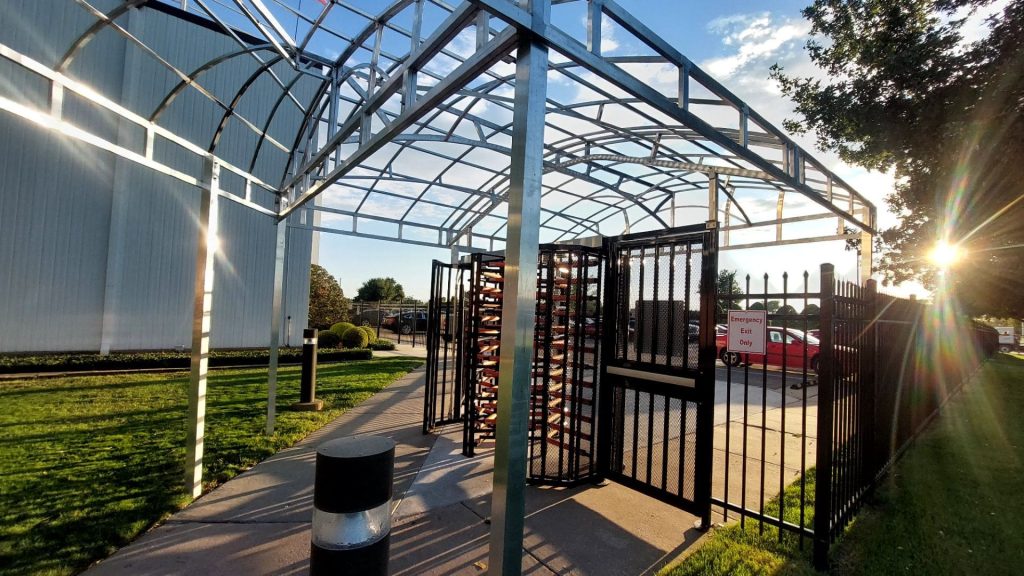
Additionally, metal’s adaptability to various architectural designs enables it to meet aesthetic demands without compromising on function. From sleek, modern exteriors to industrial designs, metal can be shaped and finished in countless ways to match the vision for any project. The comprehensive nature of metal solutions means they are not just limited to structural elements but extend to innovative applications such as metal insulation panels, sustainable cladding, and even decorative finishes. The integration of these elements can elevate the overall performance and aesthetic appeal of a structure, ensuring that the final result is both visually striking and functionally sound. Ultimately, choosing top-quality, comprehensive metal construction solutions is a strategic decision that supports both short-term and long-term project success. By combining the strength, sustainability, and versatility of metal with advanced construction techniques, stakeholders can ensure that their projects meet or exceed expectations, delivering structures that are safe, durable, and cost-effective.
How to Manage A Ball Valve’s Open or Closed Position?
Managing a ball valve’s open or closed position is crucial for ensuring the smooth operation of systems that rely on fluid flow control. Ball valves are widely used in industrial applications due to their simplicity, reliability, and ability to handle high-pressure fluids. The mechanism of controlling a ball valve’s position involves understanding how the valve works, the types of actuators used, and how to monitor and maintain the valve in the desired state. A ball valve consists of a spherical ball with a hole through the center. This ball is placed inside the valve body and can be rotated to control the flow of fluid. When the hole in the ball is aligned with the pipe, the valve is open, and fluid can pass through. When the ball is rotated 90 degrees so that the hole is perpendicular to the pipe, the valve is closed, and the flow of fluid is blocked.
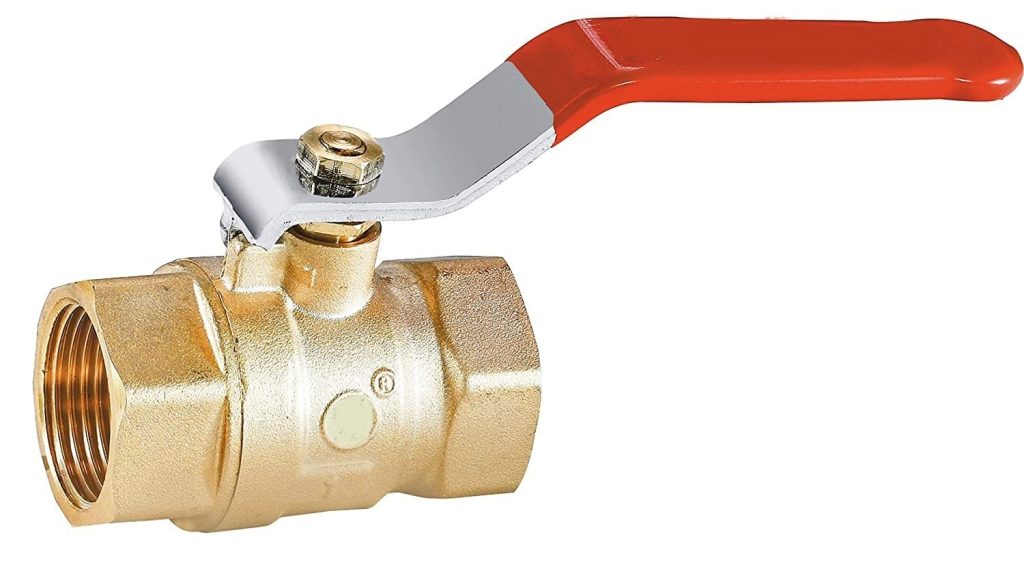
The simplest form of controlling this mechanism is by manually turning the valve handle, which directly rotates the ball. In manual systems, the ball valve’s position is typically determined by the angle of the handle. A fully open valve will have the handle aligned with the pipe, while a fully closed valve will have the handle perpendicular to the pipe. However, in more complex systems, especially where valves are large, located in hard-to-reach places, or require precise control, the ball valve may be equipped with an actuator. An actuator is a device that automates the opening and closing of a ball valve. There are various types of actuators, including electric, pneumatic, and hydraulic actuators, each suitable for different applications. Electric actuators use motors to rotate the valve stem and are ideal for applications requiring precise, remote control. Pneumatic actuators use compressed air to generate rotational force and are commonly used in industries that require rapid valve movement.
Hydraulic actuators operate using pressurized fluid, offering high torque for larger valves. Managing a ball valve’s position using actuators requires additional considerations. For instance, when using an electric actuator, it is important to ensure that the power supply is stable and the actuator is capable of providing the necessary force to open or close the valve. Pneumatic actuators should be maintained with regular checks on air pressure and seals, as a loss of pressure can cause the valve to fail in achieving its intended position. Hydraulic actuators require monitoring of the hydraulic fluid levels and pressure to ensure proper valve function. Positioners are also used in automated systems to enhance control over the ball valve open or closed. A positioner is a device that adjusts the actuator’s movement to ensure the valve opens or closes to the correct degree. Positioners receive feedback from sensors that measure the valve’s position and adjust the actuator to correct any discrepancies.
Office Upgrade – How a Business Room Salon Can Transform Work
In today’s fast-paced business environment, the traditional office layout is evolving, giving way to innovative spaces designed to foster collaboration, creativity, and productivity. One of the most transformative additions to modern workplaces is the business room salon, a multifunctional space that redefines how teams interact and collaborate. This concept merges the casual atmosphere of a lounge with the functionality of a conference room, creating an inviting environment conducive to both formal meetings and informal brainstorming sessions. A well-designed business room salon typically features comfortable seating arrangements, such as plush sofas, armchairs, and collaborative worktables. This approach contrasts sharply with the rigid and often uninspiring conference rooms of the past, which are characterized by stark, uncomfortable furniture and a sterile ambiance. The cozy, relaxed environment of a salon encourages team members to engage more openly, facilitating a culture of idea-sharing and spontaneous collaboration. Employees are more likely to express their thoughts and contribute to discussions when they feel at ease, leading to enhanced creativity and innovative problem solving.

Additionally, the integration of technology within a business room salon is pivotal. These spaces are often equipped with advanced audio-visual systems, interactive whiteboards, and high-speed internet connectivity, enabling seamless presentations and virtual meetings. This technological integration allows teams to connect with remote colleagues or clients effortlessly, ensuring that collaboration is not hindered by geographical barriers and check gangnam-fullssa.com. The flexibility to switch between various setups whether for a casual team huddle, a formal presentation, or a workshop enhances the salon’s utility, making it a vital resource for any organization. Furthermore, the aesthetic design of a business room salon plays a significant role in its effectiveness. By incorporating elements such as natural light, plants, and art, these spaces create an atmosphere that promotes well-being and reduces stress.
Research has shown that the environment in which employees work significantly affects their productivity and job satisfaction. By investing in a business room salon that emphasizes comfort and visual appeal, companies can foster a positive workplace culture that attracts and retains top talent. In essence, a business room salon represents a shift in how organizations approach their workspaces. By prioritizing comfort, collaboration, and modern technology, businesses can create environments that not only enhance productivity but also improve employee morale. This transformation is particularly crucial in an era where hybrid work models are becoming the norm, as teams seek flexible solutions that accommodate various work styles. Ultimately, the introduction of a business room salon can serve as a catalyst for a more dynamic and engaged workforce, paving the way for innovation and success in an increasingly competitive landscape. Embracing this concept may well be the key to unlocking an organization’s full potential, fostering a workplace where ideas flourish, and collaboration thrives.
Enhance Hospital Efficiency with These Must-Have IV Pole Add-Ons
In the fast-paced environment of healthcare, maximizing hospital efficiency is paramount for improving patient care and operational productivity. One often-overlooked aspect that can significantly impact these factors is the intravenous IV pole. While IV poles are essential for administering fluids and medications, equipping them with specific add-ons can enhance their functionality, streamline workflows, and contribute to a better overall experience for both patients and healthcare providers.
- IV Pole Accessories for Organization
One of the primary challenges in a hospital setting is managing the numerous items associated with IV therapy, including syringes, IV bags, and connectors. Accessories such as multi-tiered trays or shelving units that attach to the IV pole provide dedicated spaces for these items, minimizing clutter and reducing the time staff spend searching for necessary supplies. A well-organized IV pole not only promotes efficiency but also ensures that healthcare professionals can focus more on patient care rather than logistics.
- Mobile Power Solutions
Integrating mobile power solutions into IV poles can revolutionize how healthcare providers work. Many hospitals are now adopting IV poles equipped with battery packs or charging stations for devices such as infusion pumps and mobile phones. This technology allows staff to keep critical devices powered without searching for wall outlets, thereby enhancing workflow efficiency and reducing downtime.
- Smart Technology Integration
As healthcare increasingly turns towards smart technologies, equipping IV poles with sensors and monitoring systems can provide real-time data on medication delivery, poles for ivs san antonio patient vital signs, and inventory levels. These smart IV poles can alert staff to potential issues before they escalate, ensuring prompt interventions. Additionally, having this data readily available helps healthcare teams make informed decisions and improve patient outcomes.
- Ergonomic Designs and Adjustable Features
Enhancing the ergonomic design of IV poles is vital for reducing strain on healthcare workers who frequently adjust equipment for patient comfort. Features such as adjustable heights and swivel bases allow for easier maneuverability and access to patients. This adaptability not only improves the efficiency of the care process but also enhances the overall patient experience.
- Infection Control Add-Ons
Finally, incorporating infection control features into IV poles is essential for patient safety. Add-ons like antimicrobial coatings, disposable covers, and easily cleanable surfaces can significantly reduce the risk of hospital-acquired infections. Ensuring that IV poles are designed with infection control in mind is critical in today’s healthcare landscape, where patient safety is a top priority. Enhancing hospital efficiency through strategic IV pole add-ons can lead to improved patient care, streamlined workflows, and a safer healthcare environment. By investing in these innovations, hospitals can ensure that their IV therapy process is as effective and efficient as possible.
Sustainable and Stylish: Eco-Friendly Outdoor Furniture for Resorts
As the hospitality industry increasingly embraces sustainability, eco-friendly outdoor furniture has become a focal point for resorts aiming to reduce their environmental footprint while enhancing guest experiences. Eco-conscious travelers are seeking accommodations that not only offer luxury and comfort but also align with their values of environmental responsibility. In response, resorts are turning to sustainable outdoor furniture that combines style, durability, and eco-friendliness to create welcoming and attractive outdoor spaces. One of the key elements of eco-friendly outdoor furniture is the use of sustainable materials. Traditional outdoor furniture often relies on virgin plastics, metals, or wood harvested from endangered forests, contributing to deforestation, pollution, and high carbon emissions. In contrast, sustainable outdoor furniture utilizes materials such as reclaimed wood, recycled plastic, and bamboo, all of which have a significantly lower environmental impact. Reclaimed wood, for example, reduces the demand for newly cut trees while adding a unique, rustic aesthetic. Recycled plastic, when sourced responsibly, not only diverts waste from landfills but also offers durability, weather resistance, and minimal maintenance, making it ideal for resort settings.
Another important factor in sustainable furniture design is longevity. Durable, high-quality materials ensure that outdoor furniture can withstand harsh weather conditions without the need for frequent replacement, reducing waste and long-term costs. Weather-resistant finishes and UV-protected materials extend the lifespan of furniture, minimizing the need for continuous replacements and repairs. Resorts that invest in durable eco-friendly options can thus reduce both their operational costs and environmental impact over time. Moreover, this kind of durability enhances guest experiences by providing aesthetically pleasing, comfortable, and functional spaces that maintain their appeal season after season. Eco-friendly outdoor furniture also often features innovative designs that integrate seamlessly with a resort’s natural surroundings. From minimalist, modern pieces to more traditional styles, sustainable options are available in a wide range of designs that reflect both global trends and local cultural aesthetics. For instance, furniture made from bamboo or rattan blends harmoniously with tropical settings, while minimalist designs crafted from recycled materials can enhance the sleek, contemporary look of urban resorts.
This design versatility ensures that resorts can maintain a stylish, cohesive appearance without sacrificing their commitment to sustainability. In addition to materials and design, the production processes used to manufacture eco-friendly Resort outdoor furniture are crucial. Many sustainable furniture manufacturers use environmentally responsible methods, including energy-efficient production, non-toxic finishes, and ethical labor practices. Choosing furniture from such companies supports a holistic approach to sustainability, ensuring that resorts are making a positive impact beyond just the end product. Ultimately, the shift towards sustainable and stylish outdoor furniture allows resorts to meet the growing demand for eco-conscious hospitality without compromising on aesthetics or quality. By investing in eco-friendly furniture, resorts can create beautiful, functional outdoor spaces that reflect their commitment to the environment while offering guests a luxurious and sustainable experience. This move not only benefits the planet but also enhances the resort’s brand image and appeal to modern travelers.
Overcoming Barriers in Forest Products Shipping with New Technologies
The shipping of forest products plays a crucial role in the global economy, yet it faces numerous barriers that can hinder efficiency and sustainability. As demand for timber, paper, and other forest products increases, the industry is being compelled to adapt and innovate. New technologies are emerging as key solutions to overcoming these barriers, enhancing both operational efficiency and environmental responsibility. One significant challenge in shipping forest products is logistics. The transportation process often involves multiple stages, from harvesting to processing and finally to distribution. Traditional methods can be slow, costly, and prone to disruptions, particularly in remote areas. However, advancements in logistics management software and tracking systems are revolutionizing this aspect of the industry. Real-time data analytics allow companies to optimize routes, reduce transportation costs, and improve delivery times. Drones and autonomous vehicles are also being tested for the delivery of smaller forest product shipments, especially in hard-to-reach locations, reducing reliance on conventional transport methods.
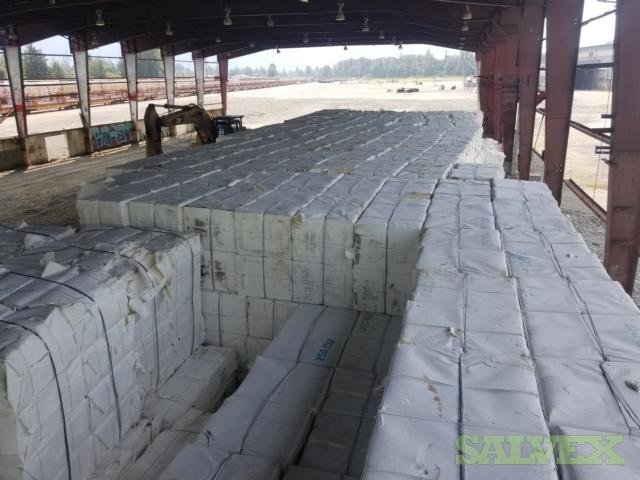
Another barrier is sustainability. The forest products industry is under increasing scrutiny regarding its environmental impact, particularly in relation to deforestation and carbon emissions. Technologies such as block chain can enhance transparency and traceability in the supply chain, allowing consumers and businesses to verify the origins of forest products. This accountability encourages responsible sourcing and helps ensure that products are harvested sustainably. Additionally, innovations in processing technologies, wood pulp shipping such as cross-laminated timber CLT and engineered wood products are enabling manufacturers to make better use of raw materials, thereby minimizing waste and enhancing the overall sustainability of the industry. Moreover, digital platforms are facilitating greater collaboration among stakeholders in the forest products supply chain. By connecting producers, processors, and distributors through integrated systems, these platforms enable smoother communication and coordination.
This connectivity is crucial for addressing challenges such as fluctuating market demands and inventory management. Cloud-based technologies also empower companies to share resources and information, leading to improved operational efficiency and reduced costs. Furthermore, advancements in renewable energy technologies are contributing to the shipping process. The use of electric vehicles for transporting forest products is becoming more prevalent, reducing reliance on fossil fuels and lowering emissions. Companies are exploring alternative energy sources, such as biofuels derived from forest waste, to power transportation fleets. By leveraging innovations in logistics, sustainability, collaboration, and renewable energy, the industry can not only enhance its operational efficiency but also contribute positively to environmental conservation. Embracing these technological advancements will be essential for the future viability of forest products shipping, ensuring that it meets the demands of a changing world while safeguarding the planet’s resources.
Moss and Algae Do not Stand a Chance- Expert Roof Cleaning Services
Over time, roofs can become a breeding ground for unsightly moss and algae, which not only detract from the visual appeal of your home but also pose significant risks to the longevity and efficiency of your roofing system. The growth of moss and algae can lead to various problems, such as water retention, shingle deterioration, and even structural damage. This is where expert roof cleaning services come into play, offering specialized knowledge and equipment to effectively tackle these issues and restore your roof to its original glory. Moss thrives in damp and shaded environments, making roofs the perfect habitat for its growth. It can trap moisture against the roof’s surface, leading to shingle degradation and, eventually, leaks. Similarly, algae, which often appears as dark streaks, can rapidly spread and cause long-term damage if not addressed promptly. Both moss and algae can significantly reduce the lifespan of your roof, necessitating costly repairs or premature replacement.
One of the key advantages of hiring professionals is their use of specialized equipment and eco-friendly cleaning solutions. Unlike traditional cleaning methods, which may rely on harsh chemicals or high-pressure washing, expert services often employ soft washing techniques. This method involves applying a low-pressure spray combined with biodegradable cleaning agents that effectively kill moss and algae while preserving the integrity of the roofing materials. This approach minimizes the risk of damage, ensuring that your roof remains intact and undamaged throughout the cleaning process. Furthermore, these professionals are trained to identify underlying issues that may be contributing to the growth of moss and algae, allowing them to recommend preventive measures that can prolong the life of your roof.
In addition to cleaning, expert roof cleaning services often provide maintenance solutions that help prevent future growth. Regular inspections and cleanings can catch potential problems before they escalate, saving homeowners from costly repairs down the line. These services can also enhance the energy efficiency of your home by allowing for better sunlight exposure and improving ventilation. A clean roof not only looks better but also contributes to a healthier living environment by preventing mold and mildew growth. Ultimately, investing in professional roof cleaning services is an investment in the longevity and safety of your home. By addressing the issues of moss and algae promptly and effectively, you can ensure that your roof remains in optimal condition for years to come. Whether you are preparing to sell your home or simply want to enhance its curb appeal, expert roof cleaning Wirral is a smart choice that pays off in the long run.